
Postage Stamp Collection: Important Things to Know
September 23, 2026Are you considering selling your rare stamp collection? If you have inherited old albums or have been collecting stamps for many years, deciding where to sell them and how much to ask can be difficult. Without proper research, you might miss valuable stamps or accept an offer that does not match their true market value.
The good thing is that, if you understand your collection and compare different selling options, you can make a more informed decision. The following points should help those who are going to sell rare stamps.
Why Selling a Rare Stamp Collection Can Be Challenging
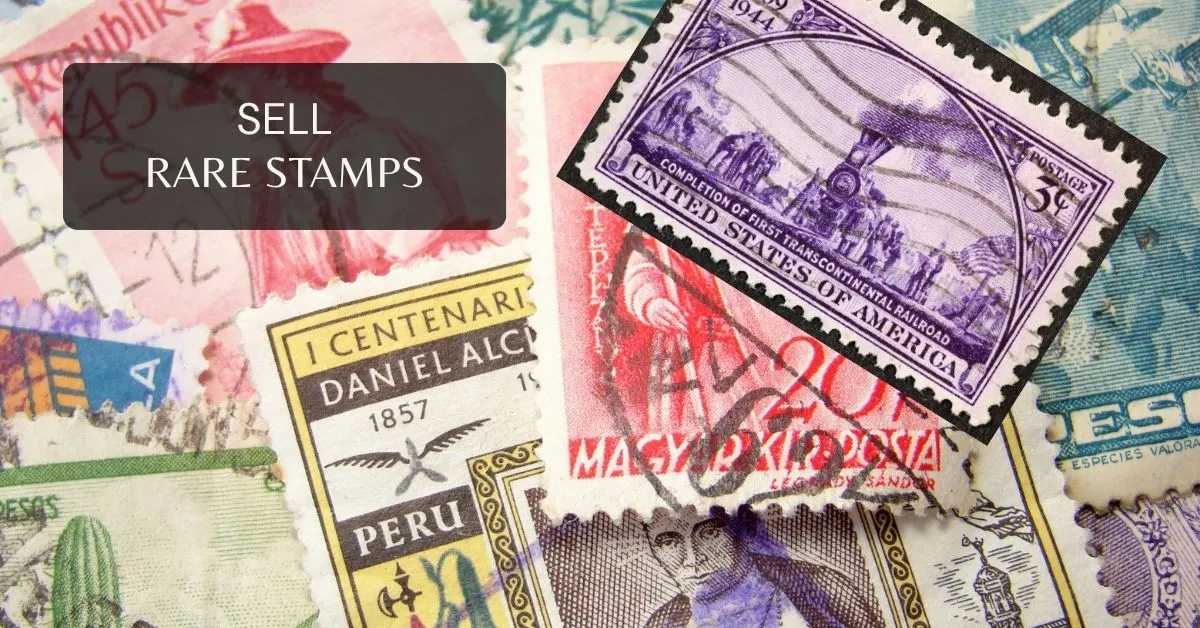
Collecting stamps involves much more than just considering their age; two stamps made during the same period can have very different values due to differences in rarity, condition, printing variations, and collector demand.
The Risk of Undervaluing Your Stamps
Some stamp collectors believe that all old stamps have value, while others sell their whole collection without examining each stamp individually. Either approach may lead to unrealistic expectations or missed opportunities.
A stamp collection can include rare stamps, complete sets, printing errors, or historically important postal covers. If the items are sold together without being examined, it may become harder to appreciate the significance of each one.
Finding the Right Buyers
It can also be difficult to find suitable buyers, since general buyers usually do not specialize in the country, historical period, or collecting category in question. At the same time, specialist collectors tend to search for stamps that match their own interests.
If you take the time to identify your collection and research possible buyers, this will help you choose the right method of selling.
How to Determine the Value of Stamps Before Selling
Before you decide to sell your rare stamp collection, estimate what you have. Taking a few simple steps will help you get an idea of its possible value.
1. Identify the Stamp and Its Origin
Look at the country of origin, the issue date, the denomination, the design, and the identifying marks for each stamp. You can use stamp catalogs to identify particular issues and to compare the different varieties.
When a stamp seems to be rather rare or valuable, it would be a good idea to get some advice from a qualified stamp expert. Certain varieties cannot be accurately identified just from photographs.
2. Examine the Condition
Condition is an important factor in the valuation of stamps; when examining them, check for tears, creases, fading, stains, damaged perforations, and for any missing or disturbed gum on stamps that have never been used.
Stamps that are well preserved may attract more attention, even though their value also depends on how rare they are and the level of demand for them. Keep them in their albums or original arrangements until you know what they mean, and do not clean them or remove them from the envelopes.
3. Research Rare Stamp Collection Value
Check your stamps against recent auction results and completed sales of similar stamps, and take into account the condition of the stamp as well as whether you are comparing a single stamp, a complete set, or the whole collection.
It should be noted that the values listed in the catalogue and the prices stated online do not guarantee that the items will sell. The actual prices obtained will vary according to market conditions, the level of interest shown by buyers, and the particular item in question.
What are the places where you can sell rare stamps?
The best method will vary according to the kind of collection you have, the timeline you are working with, and how much time and effort you are willing to spend on managing the selling process.
Stamp Collection Buyers and Dealers
Experts who buy stamp collections or deal in them can evaluate collections and make purchase offers. This method could suit sellers who want a direct transaction and do not wish to create individual online listings.
It would be worth it getting several offers, particularly if your collection includes items that could be valuable.
Rare Stamp Collectors Near Me
Looking for rare stamp collectors in my area might help you locate local clubs, specialist dealers, and people who are interested in certain stamps.
Local buyers do give you the chance to talk about your collection personally. Before you accept an offer, find out how the stamps were assessed and then compare the offer to the other available ones.
Sell Stamps Online
Through online marketplaces you are able to sell your stamps to collectors who are outside of your local area, and you can offer either individual stamps, groups with a common theme, or entire collections, according to what they contain.
It is necessary to provide accurate descriptions, take clear photographs, use suitable packaging, and keep a close eye on platform fees and shipping costs if one is selling online. Before selecting a platform, one should carry out research into past sales and look at buyer feedback.
Specialist Stamp Auctions
Auction houses should be taken into account when dealing with rare stamps, full specialist collections, and items likely to draw in competitive bidding.
If you are selling your stamps, make sure to find out about the seller’s commissions, any extra fees, the expected timeframes, and the auction house’s experience in dealing with collections of your kind.
Tips for Getting a Fair Price When You Sell Rare Stamp Collections
A well-considered approach to selling can help you steer clear of typical mistakes.
- Arrange your collection by grouping the stamps according to country, period, or theme without altering their original order.
- Keep the documentation: make sure that you save the certificates, receipts, earlier appraisals, and any relevant collecting notes.
- When considering selling options, it’s a good idea to look at dealers, specialist auctions, and online marketplaces first.
- Work out the costs: When comparing different offers, make sure to calculate the commissions, shipping, insurance, and all other expenses.
- Don’t make hasty decisions: Be careful about feeling pressured to accept an offer without having a reasonable chance to look it over.
If your collection includes some particularly valuable stamps, having an independent professional assessment can help you reach a better-informed decision.
Frequently Asked Questions
1. How can I tell whether my collection of rare stamps has value?
Look at the rarity of the stamps, their condition, authenticity, historical importance, and the level of demand among collectors. If needed, compare the recent sales prices of similar items and get advice from specialists.
2. How can I locate some rare stamp collectors in my neighbourhood?
Look for local philatelic clubs, specialist stamp dealers, collector groups, and stamp auctions. Make sure to check their experience and selling terms before going ahead.
3. Would it be better to sell the stamps one by one or as part of a collection?
Stamps that are rare or highly desired might sell more when sold separately, whereas stamps that go together can draw interest as a group. The most suitable method to take depends on their value, condition, and the level of demand from buyers.
4. Is it possible for me to sell rare stamps online?
Right, online marketplaces are able to link sellers with collectors all around the world, since accurate identification, clear photographs, secure shipping, and realistic prices are essential.
5. Is it a good idea to have my stamps appraised before I sell them?
If you think your collection includes some rare, valuable or hard-to-identify stamps, then getting a professional assessment might be worth while; it can assist you in understanding the collection prior to deciding on where to sell it.
Final Thoughts
Selling a rare stamp collection starts with understanding what you have. Research its value, protect its condition, and compare potential buyers to choose a suitable selling method.
Ready to sell your rare stamp collection? Contact Antique Stamp Buyers for help with your selling options and a fair offer.